Wednesday, January 15, 2020

Spring Calving is around the corner - Be Ready!

Dr Amanda Nee of Acorn Farm Vets has put together a terrific overview of things to anticipate as spring calving nears - have a look and call us anytime with questions and how we can help make this wonderful busy time of year smooth and successful...

Whether you are an 'old-hand' or brand new to the northeast calving season, there is a lot to consider when March rolls around. We have listed a few items that we think are most important as your animals reach the end of pregnancy. Preparing now will help ensure your animals’ health and well-being as well as your sanity.


Take a look at the recommendations below and reach out to us at 908-625-6300 with any questions about calving product purchase, herd assessments, individual wellness exams, or emergency services.


Cows and Heifers

  • Record the body condition score (1-5) of your cows at least 2 months pre-calving
    • Although this is always important, an animal's conditioning is an important predictor of her calving, production, and ability as a dam/mother. The last 60 days of a pregnancy is when the calf is growing at the greatest rate and it is important that the dam is provided with enough quality nutrients to meet these demands. Unfortunately in the Northeast, the last 60 days are when the dam is the in the coldest environment and forage has often dropped in quality. Keeping a close eye on the herd, intervene and change when needed, and you will notice a positive effect change this season. 
  • Ask us about : Body condition scoring, pasture management, forage quality and testing, mineral needs and supplementation. 

  • Assess handling facilities/equipment, or......if you have one cow or a hundred, you NEED a headgate and chute.    Why doc? So a cow calving, with the feet out for an hour, no progress, or she's pushing and the breeding book says she's not due for 6 weeks. Time to find out what's going on!  And tying to a tree is not the answer, but a handy headgate with a calving gate makes this a breeze. For everybody. Thus our favorite motto at the practice, whether you have one cow or a hundred, you have to have a headgate.  Having that with a chute is the best, easiest, safest way for an animal to be examined and treated. Full stop. However if this is not feasible there are always ways to work with the setup you have to make a practical variation and we're happy to help point out the ways that can work - we've seen them all! (ask Jon - his variation on this is "Rodeo's are supposed to be only on Saturday nights!"). At the very least, you can make an area available that's accessible, clean and where the calving cow in question can be contained and worked with a halter/rope.
  • Ask us about - how to build an acceptable headgate/chute at home and importantly WHEN to call for help. Remember, it doesn't need to be fancy, just functional.

  • Vaccinate for Scours
      • Calves are very susceptible to diarrheal/scour diseases and you can start your prevention scheme before they hit the ground. There are vaccines available, (i.e. Scourgard), given 2 then 1 month(only once if previously vaccinated) prior to calving. Catching animals up for vaccination is a great opportunity to assess their body condition and make necessary changes in time for calving. 
Ask us about: Testing for diarrheal diseases, how to support calves that are scouring, how to protect yourself from contagious diseases


Calves - once they're coming - get them out!


  • Pay special attention to cows due to calve; scanning the group at least 3-4 times daily.


  • So, when do they need our help? They go in stages - here's a quick reminder


  • Stage 1 labor -
      • 2-4 hours - This is characterized by the cow or heifer seeming restless, often getting up and down, then starting contractions - getting down to business


  • Stage 2 Labor -
      • Once you see fetal membranes/sac/calf parts
      • Cow: Maximum 1 hour - making progress
      • Heifer - Maximum 1.5 hour - making progress always key.


    Rule of thumb: once you notice Stage 2, count 30 minutes. If she has not made considerable progress, give us a head's up call/text, and we will either make recommendations or head over to assist! Proper intervention at the right time results in more live calves.

        • Stage 3
        • Passing of the placenta should take no longer than 24 hours. It's not the end of the world if she is retained at 1+ days, but watch her for eating, consider taking temperature, and realize for late calvers, there are more issues with cows that don't clean(metritis)when the weather is warmer/hot.


    • Calories 
      • The calf should be up and suckling within 2 hours of birth. If they do not begin suckling, the clock has started. Colostrum, or first milk, is arguably the most important determinant of a calf’s ability to thrive in this world. 12 hours after birth, the calf’s ability to take advantage of this starts to dwindle. If the calf has not suckled in the first 24 hours, it is assumed they did not receive any colostrum and the calf’s immune system is extremely inadequate, making them susceptible to infections of the joints, navel, and lungs, and gastointestinal system as well as septicemia(death often)in coming days.
        • What to have on hand
          • Colostrum replacer
          • Feeding tube
          • Bottles 
      • Ask us about: Colostrum administration and preparation, how to tube calves safely and easily.

    • Warmth
      • Imagine being born outside in March. It's chilly! Calves are incredibly durable, but occasionally a calf is due on a freezing, wet night and they may need a little help to thrive. Before you’re in a pinch, identify your closest access to hot water and have some blankets ready to go in the case of a poor-doer. Hair-dryer to dry off works nicely as does the passenger seat foot well in the pickup on some towels with heater on...Calves should be between 100.0 and 102.5 F. If lower, the body will not be performing optimally and energy from the food will go straight to keeping the calf warm rather than growth and energy to nurse. 
  • And some extra TLC ideas: 

      • To support a healthy immune system and set your calves up for success, we recommend selenium supplementation (call us if you have questions about BoSe or Multimin). Our region of the country is one notoriously low in selenium, a mineral that supports growth, immune function, and reproductive health. We often recommend an injection of selenium at birth, at dipping/tagging time to assure the calf is starting out on the right foot.

      • Passive Vaccination - There are products available that provide immunity to major diarrhea pathogens like E. coli when given to the calf at birth. This protection is a supplement to the gold standard - good quality, timely, colostrum, but it may be an interest to your and your herd if you’ve struggled with scours in the past


  • Navel dipping
      • It is always a good idea to get iodine dip on a calf navel at birth. This is easier in a dairy setting, but really important for beef calves born in environments that may be more of a challenge. It's a easy entryway for bacteria that can cause septicemia, navel and joint ill. Simple fix. Dip'em!


Call us if you need any of these supplies or help preparing - Specials are available on our website at www.acornfarmvets.com and open the MyPharmstore link - featured products are on front

Sunday, July 7, 2019

New ear tag requirements coming!

Dr Sebastian Reist of NJDAH recently covered at our County Board of Ag meeting an update by the USDA on how RFID tags will be the required ID for cattle in the coming years to aid in traceability.

Net change? The metal tags used this year will not be available for free from DHIA or NJDAH at the end of 2019 and in 2023 they won't be recognized as official ID. In first years, there will be some subsidy e
xtended to RFID tags to aid in adoption.

Here is the official timeline from the USDA via Beef Magazine

Implementation timeline, RFIDs

USDA will require official radio-frequently identification ear tags for compliance with the nation’s mandatory Animal Disease Traceability program as of Jan. 21, 2023.
Dec. 31, 2019. USDA will discontinue providing free metal tags. However, approved vendors will may still produce official metal tags for one additional year. Approved vendor tags will be available to buy on a state-by-state basis as authorized by each state animal health official through Dec. 31, 2020.
Jan. 1, 2021. USDA will no longer approve vendor production of metal ear tags with the official USDA shield. Accredited veterinarians and producers can no longer apply metal ear tags for official identification and must start using official RFID tags only.
Jan. 1, 2023. To comply with ADT, RFID ear tags will be required for sexually intact beef cattle 18 months of age or older that are moved interstate, unless otherwise exempted. Animals tagged with metal ear tags will have to be retagged with RFID ear tags to move interstate. Feeder cattle and animals moving directly to slaughter are not subject to RFID requirements.

Monday, June 25, 2018

pinkeye time once again - keep it under control

Article in BEEF magazine summarizes the main points to keep the costly and contagious pinkeye disease out of or minimized in your herd this summer.

Can't say enough - Fly Control for me would be points 1, 2, and 3!


Beef Magazine - Pinkeye 5 points

Thursday, December 14, 2017

winter chores

this headline just came across yesterday and with the recent snow and onset of daily hay feeding, the extra work of getting that wrap and twine off is important - happy winter thursday!


Cut those bale wraps and twine

Tuesday, July 4, 2017

Clients and Patience


Happy Summer on this Independence Day!

Spring rush is tapering off, but show season lies just ahead and looking forward to seeing all the 4H and other show animals getting ready for county fairs, state shows and september dairy & beef regional exhibitions.

I would like to thank everyone over the recent seasons which have been very busy for a solo practitioner for all of your patience waiting for things to be scheduled while a necessary emergency diverted me and growing number of clients in different areas having not just cows, but sheep and goats, camelids, and all sort of farm animals - including a few honeybee clients needing attention for VFD's! Am very grateful to all for the support and patience while getting to your farms as quickly as can - always liked the expression when asked when i'll be there,  "just look for a cloud of dust coming down the drive" and i'll be right there - hope to make that rapid response more the norm again.

And on that front - will have a nice announcement for the practice in coming days on an important new addition so that the plural practice name of Acorn Farmvets is well and truly that!


Thursday, November 12, 2015

First Annual Tri-State Cattle Symposium Nov 14 2015


Come to the first annual Tri-State Cattle Symposium this Saturday! Sussex Fairgrounds starting 9-9:30
Below is a note from Scott Turner -
Please know that while we desire to have pre-registrations for lunch count and seating, if you just show up we will gladly accommodate you. If you are not certain if you are registered and would like to, respond directly to Scott or Jon and we will take care of it.
It is an educationally packed day for the beef Cattlemen and women at no cost to you as the sponsors are picking up the costs. There is a lineup of speakers that will be worth hearing and give you ideas and advice that you can take home and use with your herd.
Attached is the information on the program.

Friday, February 6, 2015

calving season around corner - when to assist and when to call the veterinarian

As spring and calving season nears, it's a good time to review best practices for calving. 
This article in Beef Magazine authored by  has some very useful points to help maximize live calves and healthy dams. The important takeaway points have been put in bold. 


http://beefmagazine.com/calving/when-should-you-call-vet-difficult-calving?page=1

The crew at Ashland Veterinary Center is a lot busier this calving season. And that’s just fine with them.
It’s not because the veterinarians look forward to spending more time at the back end of a cow. It’s because they know they’re helping clients better manage their calving season and deliver more live, healthy calves.
Randall Spare, president of Ashland Veterinary Center in Ashland, Kan., and one of four vets at the operation, says the torrid cattle market is a big reason for their busy schedules. “We’ve assisted more people because they’ve said, ‘I don’t want to mess this up. That calf is too valuable.’ ”
But that’s true regardless of the current market. You can’t sell a calf that didn’t survive calving. To that end, Spare and his crew advise cattle producers to not be shy about calling their veterinarian when dealing with dystocia, or a difficult calving.
According to Dale Grotelueschen, a DVM and director of the University of Nebraska-Lincoln’s Great Plains Veterinary Educational Center at Clay Center, Neb., the calving process is divided into three stages.
  • In the first stage, the cow or heifer becomes restless. “She may get up and lie down more often and move around,” he says, and often will isolate herself from the herd.
  • Stage 2 begins when the water bag appears, and it includes the delivery process.
  • Stage 3 is expulsion of fetal membranes and involution of the uterus, he says.
Stage 1 can last 12 hours or it can be two hours, Spare says. “The challenge is not that every animal is different, but that we need to see progression,” he says. “If they’ve quit straining, then we need to intervene.”
In fact, Spare sums up his entire philosophy of when to help deliver a calf with one word: progression. “We need to see progression from the time calving starts. And that really means when they’re off by themselves.”

Since calving difficulty is more often a problem in heifers, Spare suggests this timeline for progression: “When I see them off by themselves starting heavy labor, I want to see that water bag in about 30 to 45 minutes. Then in another 30 minutes, see the feet inside the water bag. Then in another 30 minutes, see the nose; and 30 minutes after that, we need to have a calf.”
Spare realizes that’s a finite timetable and cattle don’t pay attention to timetables, so it will vary. But his point is this: things need to keep moving at a reasonable clip. “I’d rather have people err on the side of caution,” he says, “so at any time when progression stops, intervene.”
Beyond watching the clock, there are some signs to look for that a cow and calf need some assistance, Grotelueschen says. “If the legs present normally and the calf’s nose is there, and the calf’s tongue or nose starts to swell, that’s an indication of delayed progress.”
What do you need to do? “We get that animal up and restrained properly in a clean area where we can safely assist her,” Spare says. By safe, he means the safety of the cow as well as the safety of the people.
That doesn’t mean a rope around her horns and snubbed up tight to a fence post. A squeeze chute will work, as will any sort of safe head catch with gates that open, in an area that’s cleanable. “It can be a dirt floor that we wipe clean and throw lime on. Or it can be concrete that we wash down between animals. But we need to have access to that animal to properly examine her.”

Dealing with a bad presentation

In the examination, you’re looking for a normal presentation, with the calf’s two front feet visible with the tips of the hooves pointing up, followed by the calf’s nose a few inches behind, Grotelueschen says. If a hoof or the head is back, or it’s a breech, the calf can be manipulated to get everything lined up. But a hoof or head out of position might be a symptom of another problem.
In a normal presentation, the calf’s front hooves are facing forward with the tips up, and the calf’s nose is an inch or two behind. A breech presentation can be a challenging dystocia presentation. But with training, producers can learn how to manipulate the fetus to make delivery easier. A calf can be delivered when in a posterior presentation, but may require assistance. If you see hooves but no head, don’t assume the calf is coming backward. The head may be back. An examination will help determine the problem. All illustrations courtesy of Oklahoma State University.

“Many times, with an abnormal presentation, particularly with a heifer, it means the birth canal isn’t big enough for the calf,” Spare says. Using a calf puller in that situation only makes things worse.
That’s a situation where having a good relationship with your vet is helpful. Food-animal vets are always willing to help their clients learn what they can do in the field, Spare says. And when your vet knows you and your abilities, it can save time and calves when assistance is needed. Spare has clients who, when they bring a dystocia case to the clinic, he knows they’ve done everything they can. “We don’t even try to pull the calf. We do a cesarean,” Spare says.

How to provide assistance

Begin by properly attaching obstetrical (OB) chains with handles and pulling manually, he says. “But it’s at this point we tell people, ‘Know your limitations and know your comfort level.’ There’s a short period of time where the survivability of both the cow and the calf is a lot better if the intervention hasn’t gone beyond their ability.”
And intervention not only helps assure a live calf, but a better cow. “We’re not only thinking about a live calf, but we’re thinking about a healthy, functioning animal that will breed back,” Spare says.
So when do you call the vet? “When you’ve gone to the limit of your ability to safely assist that calf,” Spare says.
If pulling manually doesn’t work, a calf puller often comes into play. While that’s a common tool, use it carefully, Grotelueschen says. “I think we’ve learned over many years and with experience that we need to approach this as assisting the delivery, and knowing that many calf pullers can exert far too much tension than is safe for the calf and the dam,” he cautions. “So we need to exercise caution and not get ourselves into positions where we exert too much force.”
Spare agrees. “When you start to pull a calf with a calf puller, know that you’re merely assisting uterine contractions to move [the calf along] the birth canal. And if there comes a point where progress has stopped because the calf appears to be too big in comparison with the birth canal, that’s probably the time to stop [using the calf puller] also.”
And he cautions to limit yourself to calf pullers you can control manually. That means no pickups, four-wheelers and tractors.

Birthweight genetics are better

While Spare and the other veterinarians at the clinic are assisting in more deliveries this year than in past years, they’re doing fewer cesareans. “We do 10% of the cesareans on beef cattle today than we did 25 years ago,” he says. He chalks that up to better genetics. “You can have growth genetics using top 10% birthweight bulls,” he says.
If you’re experiencing a high rate of calving difficulty, take a hard look at your bulls. With the genetic choices available today, Spare believes the accepted norm for dystocia incidence in beef heifers should be no more than 5%.
“Today, with the labor issues we have, more than ever, the last thing you need to do is be assisting a cow.” While you’ll never totally eliminate dystocia, using bulls in the top 10% of their breed for calving ease as heifer bulls will keep you between the guardrails, he says.
For clients who do that, Spare says their biggest challenge becomes helping the heifers be good mamas. And that’s a good challenge to have. 

Tuesday, November 11, 2014

Sheep Breeders Meeting - parasite talk


Any interested sheep, goat, or camelid breeders/owners welcome thursday night for GSSB meeting and presentation by acornembryo - dr pike & higgins on ruminant parasites and proper control and management measures

Hunterdon County Offices - on Route 12, 7pm Thursday 13 November

http://www.nj.com/hunterdon-county-democrat/index.ssf/2014/11/garden_state_sheep_breeders_to.html


Sunday, June 8, 2014

pre-weaned lambs and worms

Right now many of the spring lambs are at the point where weaning will be occurring, if it hasn't already. as cool spring grasses begin to slow in growth, pastures can be over-grazed and this can lead to increased parasite pressure, especially from the barberpole worm (h.contortus). while they may become dormant in prolonged drought and heat, the younger animals particularly are susceptible and can easily help these parasites multiply.

When sampling fecals to check on the need to deworm, include samples from some of this years lambs and treat them if indicated. It will help them wean off better, make better use of the creep feed that may be provided and get them to target weights for those breeding early ewes to lamb as yearlings.

Treat smart as well. Using Safeguard or Valbazen(the benzimidazole class), often it is recommended to double the dose, and also hold sheep off feed prior briefly; this will help increase the effective concentration of dewormer in the gut. Don't use give dewormer as an injectable(such as ivomec - drench form is fine)in small ruminants - the long tail of declining concentration when given that way can lead to resistance developing more rapidly. And if you haven't used Ivomec - don't go immediately to Cydectin drench(moxidectin). If you develop resistance to that drug, you'll also have created resistance to Ivomec too - instead, keep using Ivomec until you find it isn't working. Save Cydectin for when you need to treat a resistant population.

Do you see this? Here is a very anemic animal, evident in the pale conjunctiva

Besides other clinical signs(bottle jaw/anemia, ill-thrift and weight loss, lagging behind flock)how best to find if your dewormer isn't working? Test fecals before and after. Treat the animals that need it and not everybody on a random calendar date. Treatment of parasites in small ruminants is a complex equation often. Questions of timing, testing, and how to treat? Ask your flock veterinarian on these and other questions, such as how to handle new arrivals to keep those resistant worms off your pastures. You will not only boost the performance of your animals but keep the dewormers working by avoiding or minimizing resistance.

And hope for timely rains this summer - to keep these pastures growing along with the sheep and lambs on them.

Monday, February 3, 2014

Semex Winter Banquet Lunch


We Appreciate Your Support!

You are cordially invited to be Semex USA’s guest at our annual customer appreciation luncheon on Wednesday, February 12th, 2014 at the Shady Maple Smorgasboard in East Earl, PA.

The regular meeting will begin promptly at 10:45 a.m. Julien Chabot, sire analyst for Semex Alliance, will give a presentation on the proof information and sires. The afternoon will also include:

                        - Meeting specials on semen and products

                        - Door Prizes

                        - Lunch on behalf of Semex USA to say THANK YOU!

Please RSVP to ensure your spot at this discussion, as we expect a large crowd. Shady Maple Smorgasboard is located 1 mile east of Blue Ball, off Route 23.

We look forward to seeing you on February 12th!

Reserve your seat before February 8th by contacting Jon Higgins/acornembryo, your Semex USA representative, at 908 625 6300

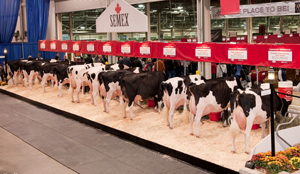
     Semex Walk of Fame at the Winter Royal
\
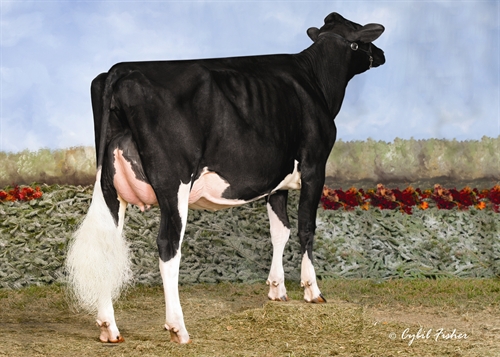
Brackley Farm CHELIOS Cheerio


Saturday, December 28, 2013

New label - New withhold

For those of you who have and continue to use Excenel on your cattle, there has been a change in formulation which will be welcomed - the new product Excenel RTU-EZ is named for it's easier syringeability. Less time holding the bottle pulling up the dose! (and NOT accomplished as one skeptical dairyman commented on by 'adding more water'). Same potency, same price, and easier to use.

An important note - this new formulation still has zero hour milk withhold - but the meat/slaughter hold is now 4 days, not 3 days. That will be noted on the Rx labels on the medicine and I will be emphasizing this as the switchover occurs.

Enjoy the easier draw up and follow label instructions. Call anytime with questions on usage

Monday, September 16, 2013

AABP and AASRP meetings this week

Time again for a meeting of the American Bovine Practitioners and American Small Ruminant Practitioners Associations - i'll be in Milwaukee attending the preconference seminars and meetings themselves this Tues-Thursday - some exciting topics and looking forward to this info helping out back on the farm with dairy and beef, sheep and goats!

A wet lab on laparascopic AI/ET in small ruminants, a full day on new topics in lameness management in dairy (and beef)cattle as well as 'Fecal Fluency' - new strategies in interpreting egg counts and larval development assay' - primarily for small ruminants, but helpful in all sizes. Thursday transition cow management, tube ventilation in calf barns, and calf scours therapy and control...many others too - Hope to be at your farm in the next few weeks and can pass along some of this education and help your animals.

(Will have phone and email at the meeting, so please do let me know, as always, any questions on your animals you have - thanks!)

Friday, May 31, 2013

cow catcher

Had a nice back and forth over the weekend with a UK cattleman on twitter and he mentioned a cow catcher that mounts on the front end loader of a tractor. Having just come off a call to treat a pinkeye case that required a lot of coaxing, ropes, and mild rodeo effort, this sounded very useful.

And i think it is - have a look at the full series of pictures on this blog he provided me.
 http://anorfolkfarmer.blogspot.co.uk/2010/05/cow-catcher.html

His is a telescoping version and as the cows are often quite used to having tractors in the field around them(carrying round bales)they often and usually can be just driven up to and have the 'corral' drop over them. Great for pastures far from home corral - also was suggested (and many thanks to Andrew Holding @andrewholding1 for passing on all this info)that it was very useful for a newly calved cow to help get the calf sucking and tagged, leave them in for a few hours. Or *walking* cattle in them to get them closer to home.

Much as I love my lariat(and try to keep it hidden unless absolutely needed)this looks like a great piece of equipment to reduce cow(and owner - vet)stress and allow quick more easy treatment when cattle are on summer pastures.

Sunday, February 24, 2013

March Madness time is back at UPenn New Bolton


(this is an updated version from past years - it is an annual event worth taking advantage of if needed)

The Annual Food Animal Rotation at New Bolton Center offers good discounts for bovine/small ruminant surgery and medical cases referred in to Penn for treatment in the next several weeks. Not only a good savings for you, but helps out students to see 'normal' cases that they will be encountering in practice. (I know this as a member of the original March Madness crew in 1989). Have a calf with a hernia? Great time to have her repaired. 

There is a continuing 'twist' this year - the first 8 LDA's of each 2 week rotation will be done for free, and for other cases they will pretty much offer a free evaluation and depending on the nature of the problem, can discuss cost of treatment and discounting.  

It starts today Monday, February 25th and goes for 4 weeks through March 24th. Take advantage of the expertise at Penn Vet, save some money and help your cattle, sheep, and goats, not to mention future livestock veterinarians. 

Friday, November 16, 2012

'Tis the season - treat for lice

late winter hair loss due to lice
Now is the season in late autumn to treat cattle for lice, before further buildup occurs - this will prevent the clinical cases we're used to seeing in mid-late winter as cattle rub off hair. The denser winter coat and cooler favors survival of lice. The period from Halloween to Thanksgiving is an ideal time to treat.

Two types of lice occur in cattle, biting and sucking. Normal treatments are pour-on products(like Synergized De-Lice, pour-on avermectins, like Ivomec, Dectomax, or Cydectin). The pour-on avermectins also have the advantage of controlling internal parasites at the same time, also a good time of year to ensure no carry-over of worms picked up during the grazing season. If you are using Safeguard or Valbazen to deworm your herd in fall, consider also using a pour on like De-Lice or UltraBoss. One note - some of the pour-on avermectins will control just sucking lice, not biting lice. Check your labels and use as appropriate.

Treatment prevents the damaged coats, and hides of the animals. Additionally there is often damage on farms  of fencing or other items from the rubbing that is done. Once treatment is done, have a look in several week or at next herd visit to see the degree of infestation that is remaining, if any.  A secondary treatment may be necessary, but no adult live lice should be found at that time after initial treatment.

Have a good Thanksgiving!

Monday, October 8, 2012

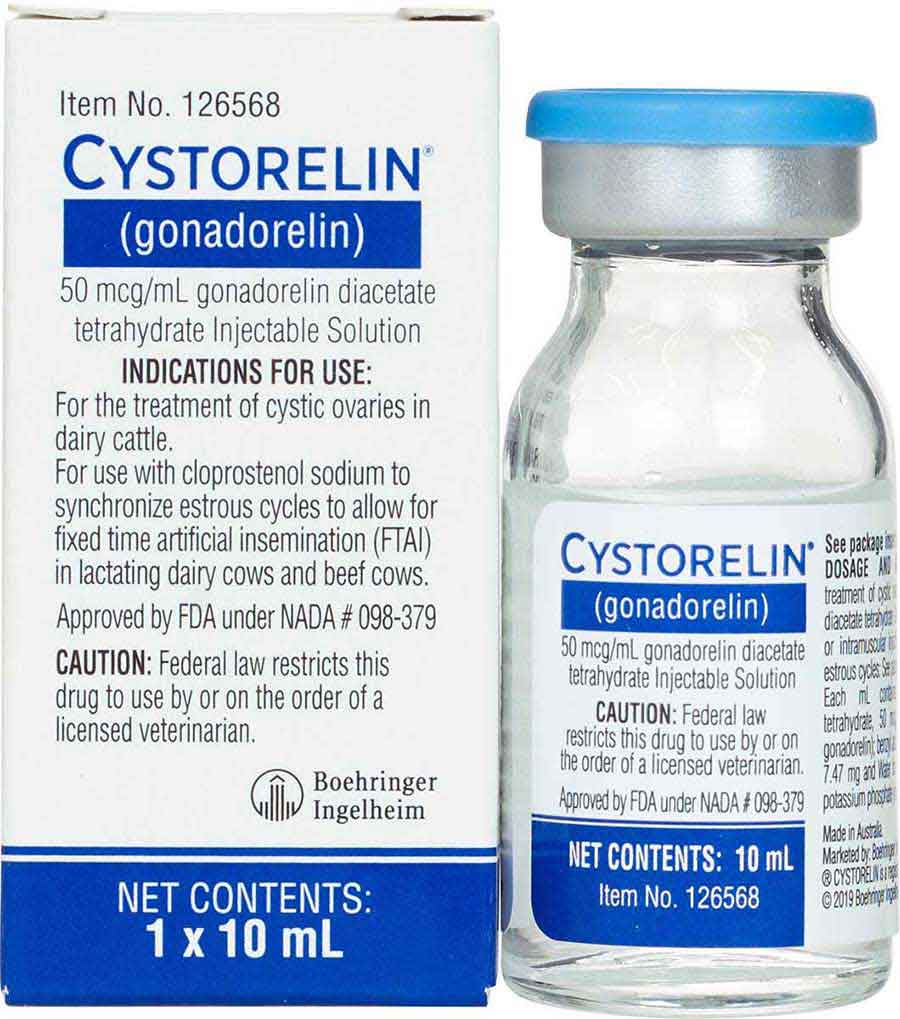
Cystorelin GnRH label change

Merial has announced that the conditions for storing Cystorelin/GnRH have been changed and the label updated.

It now can be stored at room temperature - and doesn't have to be refrigerated. (this is something that has been mentioned unofficially in the past from company tech people, but now glad to see it approved and on the label.). What conditions?

Room temperature(77F or below)is fine - brief exposures to 86F are okay too. If it's opened, and unused after 6 months, discard the bottle.

This is an important point and a good time to reinforce something mentioned often in proper use of GnRH. It is a polypeptide - like a small protein chain and can easily be damaged by contaminating bacteria. That's food for them. Get a contaminated vial and then you end up injecting pieces of GnRH with no activity. When you inject Cystorelin, always and only use a new needle to pull from the vial. If you have a partial vial left, before taking a dose from bottle, wipe the top with an alcohol swab and give it 30 seconds. You don't want to waste the drug and especially waste the effort of getting a response from your cow on an OvSynch or other program. I've recently swabbed some tops of medicine vials on cattle farm medicine cabinets and the growth on a normal blood agar plate is eye-opening.

So this goes for all medicine on the farm. Keep in a clean spot, new needles and swab the tops in certain cases. The advantage on this label change for Cystorelin is easy shipping over the weekend without ice packs.

Tuesday, September 18, 2012

less stress vaccination

Last weekend at the Beef Field Day at Riverbend, one of the topics in the herd health talk was proper immunization of calves prior to weaning.

With weaning time getting close, now is the time to work those calves to give them the best advantage and protection, not only for immediate post-weaning time, but for their entire productive life.

The importance of an initial modified-live vaccine(such as BoviShield Gold 4L5), particularly with regards to BVD, can't be overstated. It provides them with superior immunity to just killed and allows formation of immune components that give them the ability to maintain protection later in life with just one BVD booster per year. The nice thing about MLV too is lower volume, easy to give, costs less and does more! That's a good(and rare)combo.

Most importantly, by giving this vaccine pre-weaning, you're giving it the best chance to work(to effect immunization, not just vaccination)by keeping the stress low. Calves go back to the dams, familiar environment, then in 3-4 weeks when actually weaned, they have added protection on board already.

Questions about when and how to time this, combinations that work best in your particular herd, just ask at next herd visit or call/email anytime. Happy and healthy weaning!

Thursday, September 6, 2012

NJ Beef Field Day at Riverbend Farm

This Saturday the 8th, come to Riverbend Farm in Far Hills for a beef field day - Corne has lined up, along with the NJ Angus Association, NJ Beef Council and Rutgers Cooperative Extension a great day starting with informative programs, a light lunch at the farm, and tours afterwards. Programs will cover areas such as Beef Quality Assurance and carcass issues, heat synch/AI topics, current health programs for small and larger beef herds and calving/difficult calving-dystocia topics.

Give a call to 908-788-1338 with who is coming or email Hunterdon Ag Agent Bob Mickel at Michel@NJAES.Rutgers.edu so they can have a lunch count. Or feel free to to give me a call or email(or text!)here and i'll line you up for the day.

Looks like good weather that morning, so take a drive and stop over for a fun and learning Saturday. And see some really good Angus cattle and see fellow beef breeders. They're at 25 Branch Road in Far Hills.

Tuesday, March 6, 2012

March Madness time is back at UPenn New Bolton


(this is an updated version from past years - it is an annual event worth taking advantage of if needed)

The Annual Food Animal Rotation at New Bolton Center offers good discounts for bovine/small ruminant surgery and medical cases referred in to Penn for treatment in the next several weeks. Not only a good savings for you, but helps out students to see 'normal' cases that they will be encountering in practice. (I know this as a member of the original March Madness crew in 1989). Have a calf with a hernia? Great time to have her repaired. 

There is a continuing 'twist' this year - the first 8 LDA's of each 2 week rotation will be done for free, and for other cases they will pretty much offer a free evaluation and depending on the nature of the problem, can discuss cost of treatment and discounting.  

It starts tomorrow Monday, February 25th and goes for 4 weeks through March 24th. Take advantage of the expertise at Penn Vet, save some money and help your cattle, sheep, and goats, not to mention future livestock veterinarians. 

Thursday, February 2, 2012

lambing and kidding time


a important consideration for ewes and does that are approaching delivery in the next month or two is boosting their immunity to clostridial diseases, the enterotoxemias C&D. these diseases can cause sickness and death in lambs, often the best growing ones. CD, or usually, CD/T vaccines, confer immunity to these along with tetanus protection. they are the basis of small ruminant vaccination protocols and the one that is universally recommended.

twice yearly is the typical timing for adults, but the point now is to vaccinate ahead of delivery so that colostrum quality is improved with a higher level of antibodies, providing the the lambs/kids with early protection. If they've been done before, one vaccination before delivery to boost is sufficient, but if it's their first time, two injections are needed, as with most vaccines. And in these younger animals, often their colostral quality isn't as great as an older ewe/doe, so this helps their offspring even more.

march and april will be here quickly - plan on this to help your spring kids and lambs - and ask me on the next visit to your farm, or call,  if you have questions on timing and the products best suited for your flock.